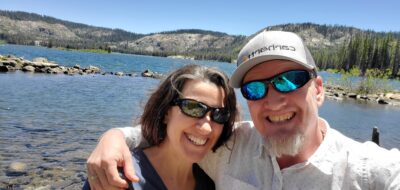
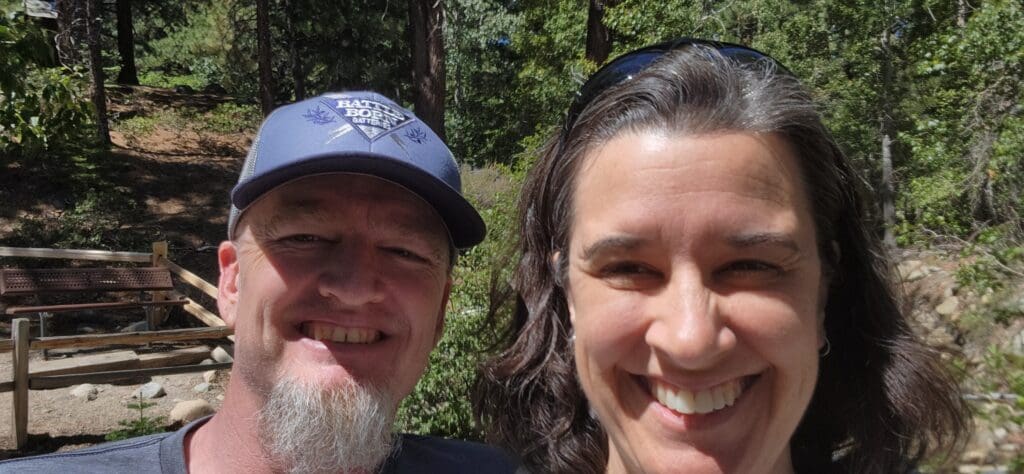
It started on the job.
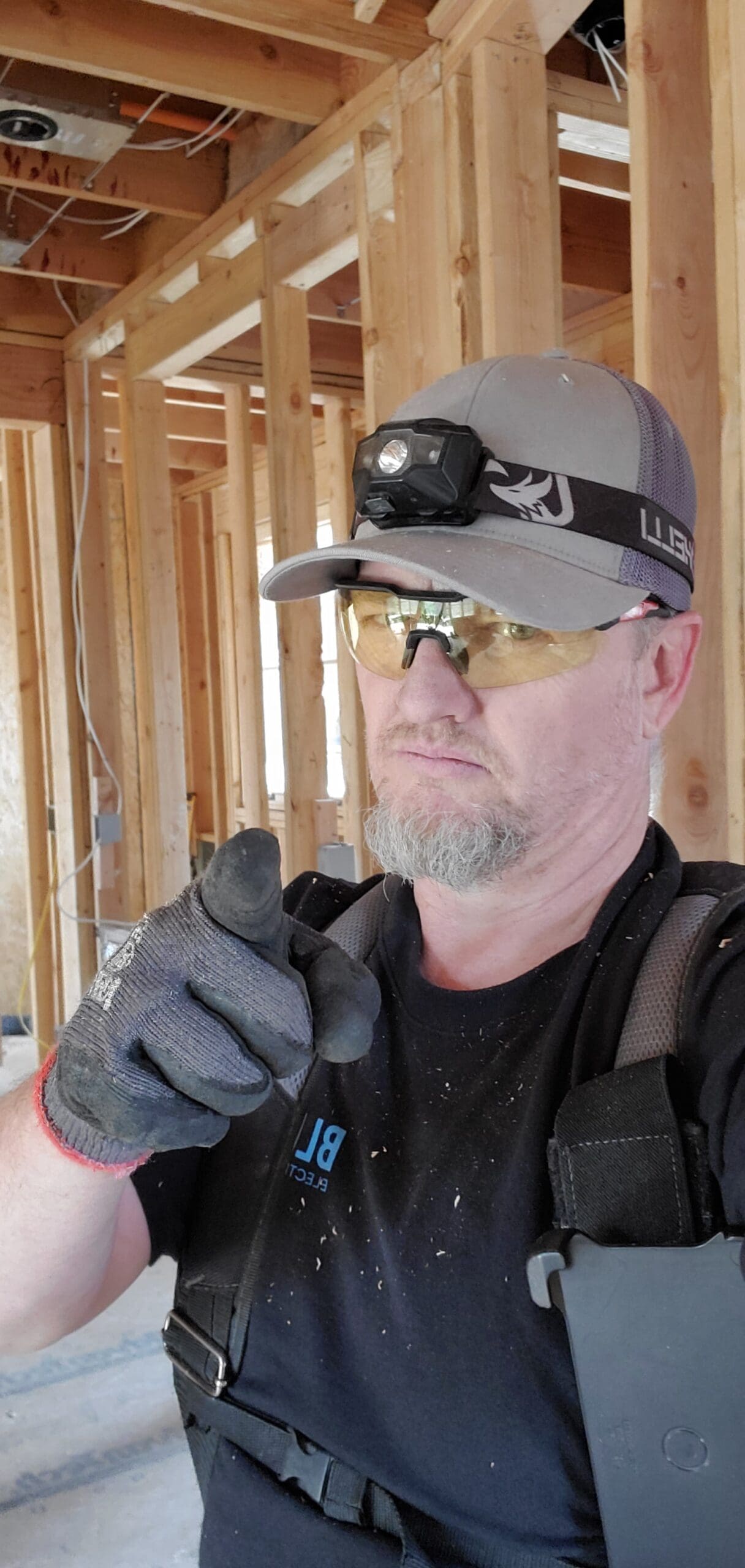
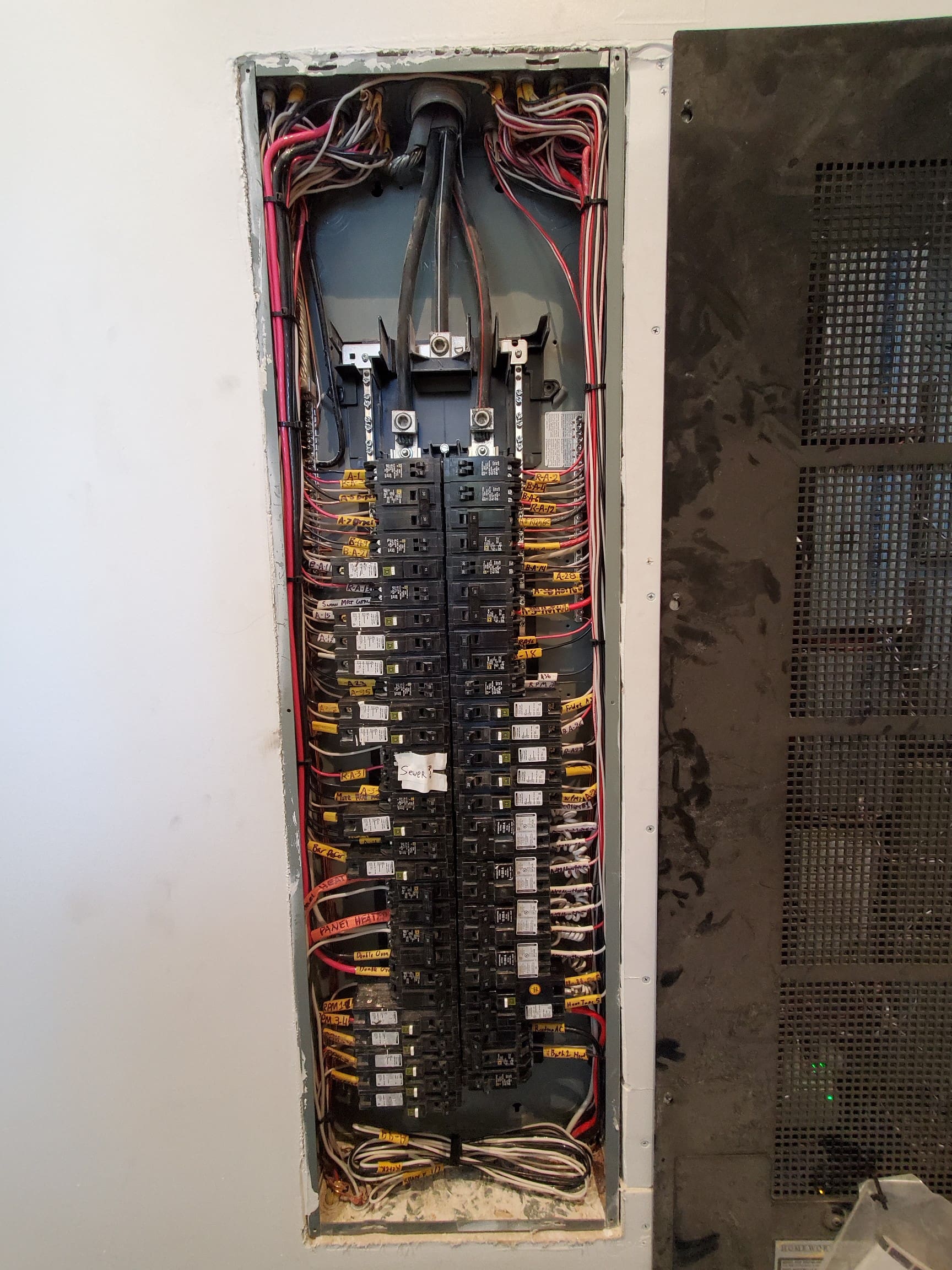
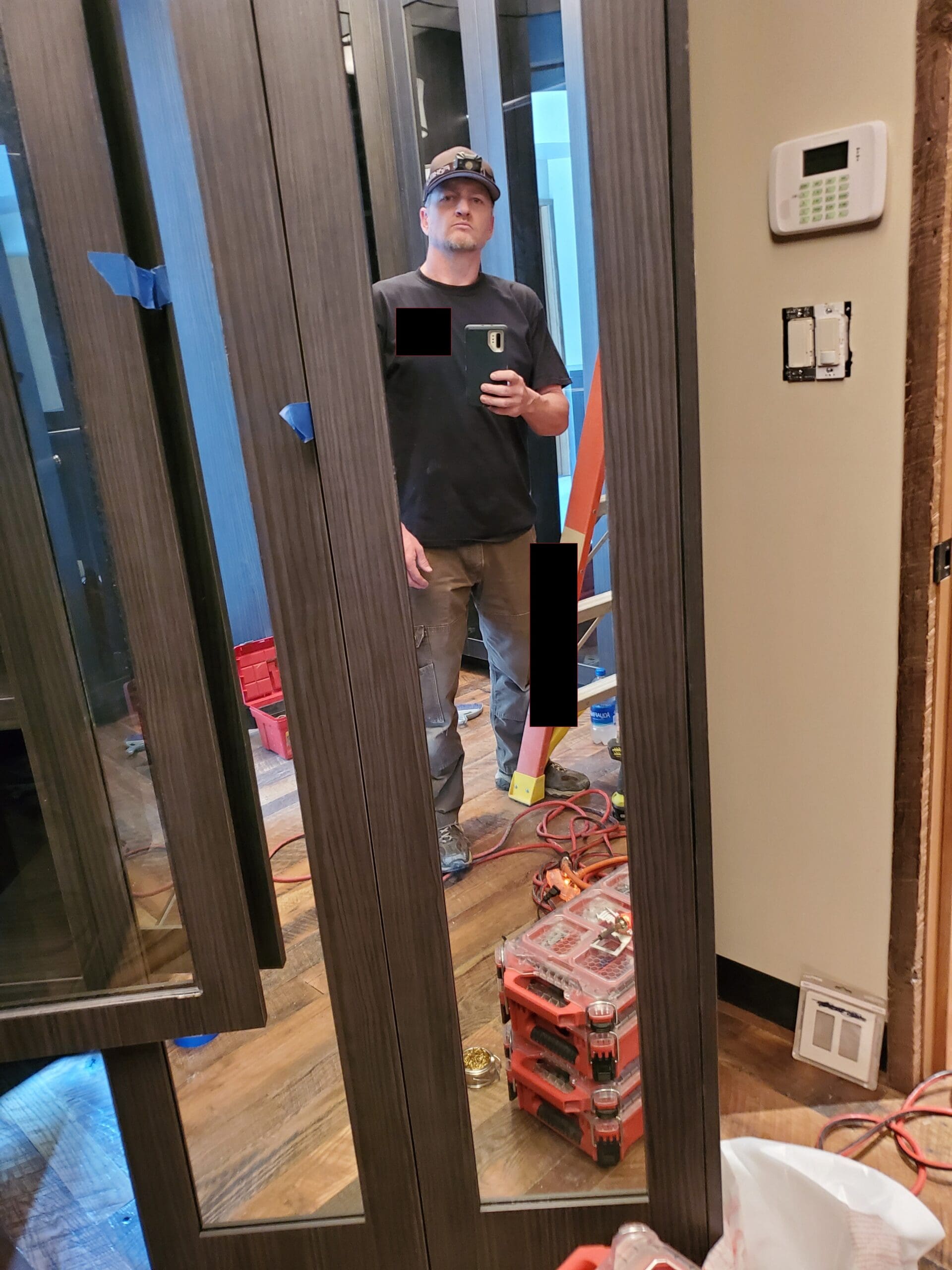
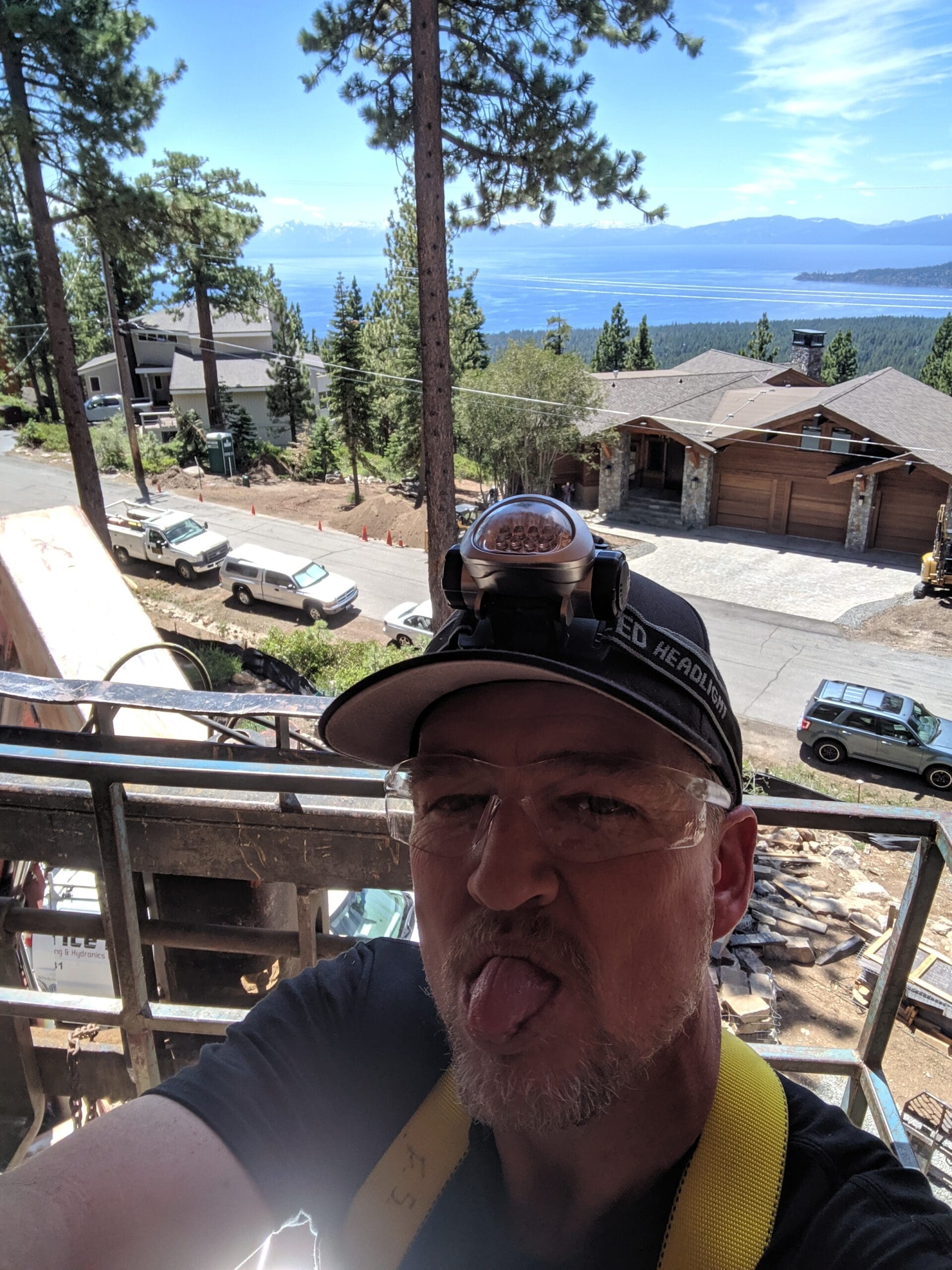
Before we ever owned a business, Greg spent about six years as an electrician, mostly on high-end new construction and remodels at Lake Tahoe. He loved the work, and it showed him how a business looks from the electrician’s side.
Plans don’t always match what’s in front of you. Sometimes a light has to move. Small changes, you just make. Bigger ones, you call the boss. But nobody ever told Greg where that line was. So he guessed.
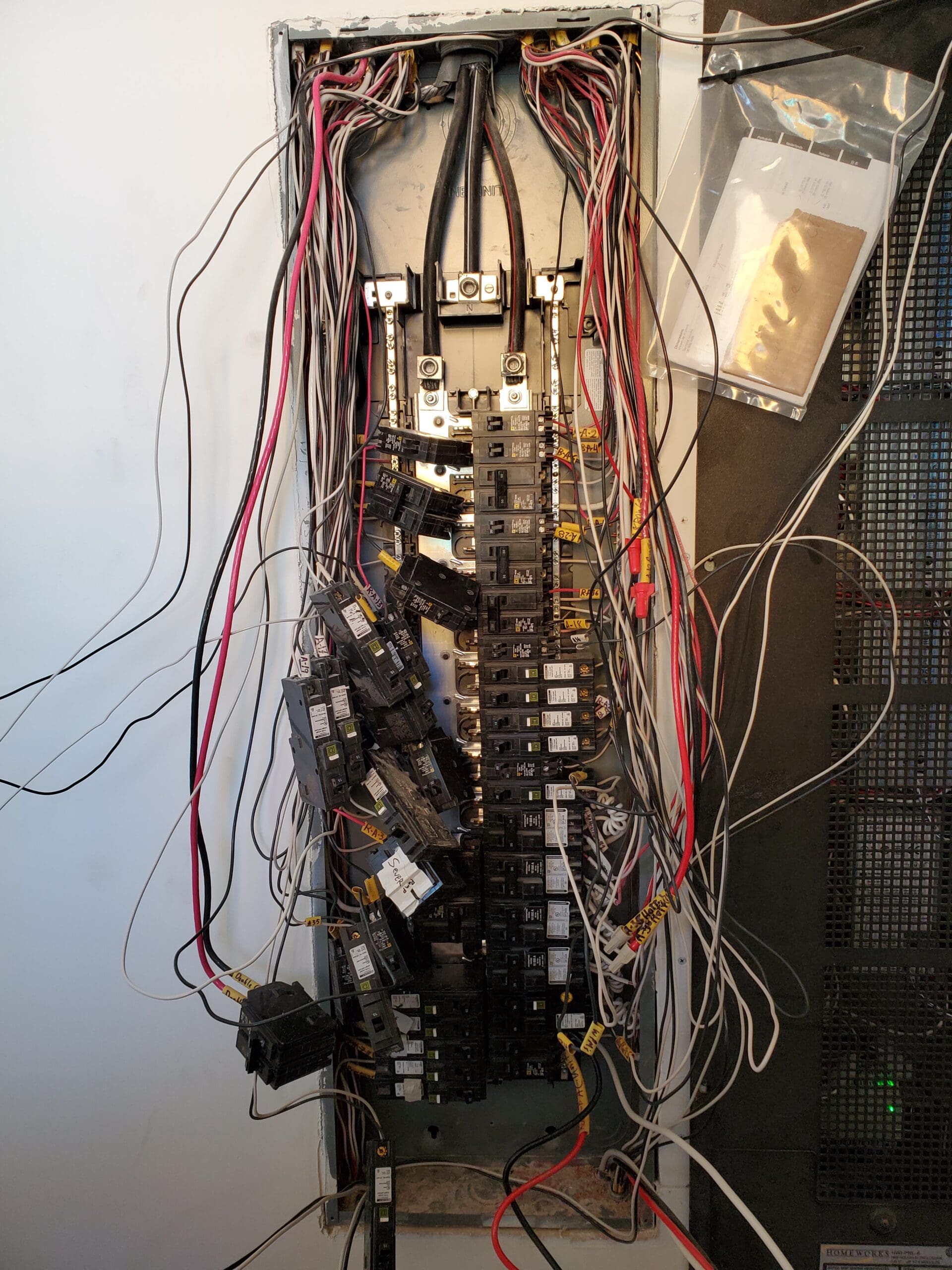
More than once, he found a spider box on a job site that was shocking people. He shut it off and told the supervisor, and people jumped in to help right away. Nobody was ignoring it. Nobody knew it was their job to take care of.
Then we built a business together.
For 11 years, we owned and ran a marketing and advertising business for other small businesses. It was ours, so every decision, every customer and every problem came back to us.
It ran well for a long time, and we assumed it would keep running the way it always had. Then COVID hit. Our customers were just trying to survive, and so were we. We lost the business.
Honestly, for a while it felt like we’d failed. So we did what a lot of people had to do. We got jobs.
Inside other businesses.
Greg went to work for a company with more than 8,000 employees. He was helping build a new department: who does what, in what order, and how everyone knows it got done. He worked with everyone from maintenance crews to department heads.
Brenda went to work for a field service business with more than 100 employees. She kept seeing the same thing. The owner thought one thing was happening, and something else actually was. Not because he wasn’t paying attention. The business had just grown past what one person can see.
She became the one who figured out why things kept going wrong, and fixed them. She led the setup for new field service software, tracked down accounting numbers that didn’t add up, and got follow-ups going on invoices that had sat unpaid for months.
In both jobs, we kept seeing the same thing. Problems weren’t always happening because people didn’t care. Often, something in how the work was set up was making the problem easier to repeat.
So we started Clearwater.
We kept thinking about how many owners must be dealing with that same frustration, mostly on their own, while they’ve got a business to run. And we both missed owning a business, and working with people who’d built something themselves.
We chose Electrical Contractors because Greg loved being an electrician, and these are our people. Between us, we know the work and the business behind it.
What we believe.
- Running a good business shouldn’t be frustrating.
- The same preventable problems don’t have to keep interrupting everyone’s day just because they’ve been happening for a long time.
- We don’t blame owners or employees. We figure out what’s allowing the problem to keep happening and help change it.
- Just because a problem keeps happening doesn’t mean it has to.
What that means for your business.
- We start with what’s frustrating you. Before anything else, we ask what you’re trying to accomplish. No checklist, no software pitch.
- We look at how the work is set up, not who to blame.
- We fix the part of the work that’s allowing the problem to keep happening, whether that’s who handles it, how information gets passed along, how the software is set up, or something else.
- We help put the fix into use and make sure it’s working, including that the written steps still match how the work really happens.
We’re married, we live in Reno, and we work with electrical contractors remotely, over calls and screen shares.